· Warp Preparation:In the warp preparation process of textile mills, polyester mesh belts are used to transport warp beams. It ensures the smooth movement of warp beams, avoiding shaking or collision during transportation, thus guaranteeing the uniform tension of the warp yarns. For example, in the production of large - scale woven fabrics, the polyester mesh belt transports the warp beams from the warping machine to the sizing machine, providing a stable supply of warp yarns for the subsequent weaving process.
· Weaving Process:During the weaving process, the polyester mesh belt can be used as an auxiliary device to help the fabric pass smoothly through the loom. Its smooth surface reduces the friction between the fabric and the conveying device, minimizing the risk of fabric damage. For instance, when producing high - end silk fabrics, the polyester mesh belt can gently transport the silk fabric, maintaining its smooth surface and luster.
· Fabric Finishing:After the fabric is woven, it needs to go through finishing processes such as dyeing, printing, and drying. The polyester mesh belt plays an important role in these finishing processes. During dyeing and printing, it can accurately transport the fabric, ensuring the even distribution of dyes or printing pastes. In the drying process, the air - permeability of the polyester mesh belt helps the fabric dry quickly, improving production efficiency.
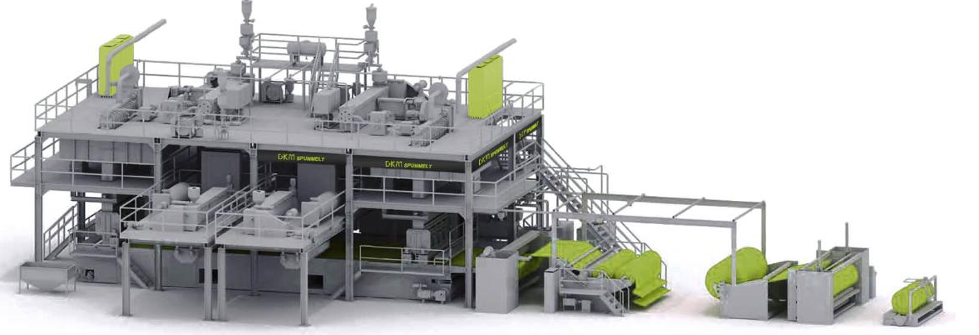
· Fiber Web - laying:In the fiber web - laying stage of nonwoven fabric production, the polyester mesh belt is used to carry and transport fibers. It enables the fibers to be evenly distributed on the belt, forming a fiber web with a consistent thickness. For example, in the production of needle - punched nonwoven fabrics, the polyester mesh belt transports the carded fibers to the needling area, providing a good foundation for the subsequent needling and consolidation.
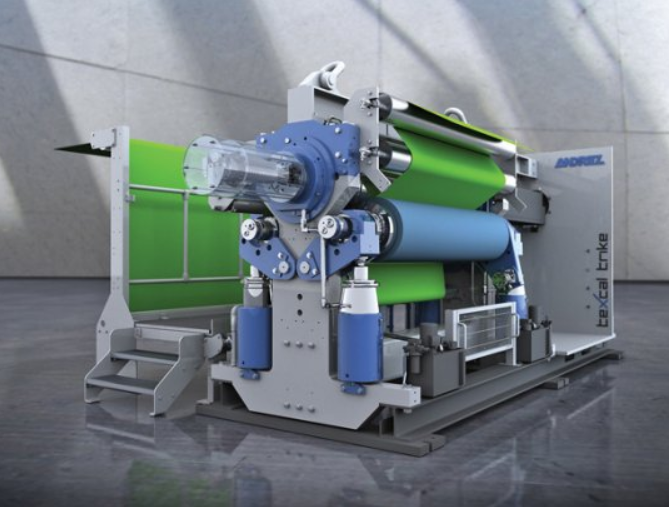
· Reinforcement and Shaping:During the reinforcement and shaping process of nonwoven fabrics, the polyester mesh belt assists in transporting the fiber web to different reinforcement equipment, such as calenders and spunlace machines. Its good flexibility and dimensional stability ensure that the fiber web does not deform during transportation, guaranteeing the quality of the nonwoven fabric.
· Post - processing Conveying:After the nonwoven fabric is reinforced and shaped, it still needs to go through a series of post - processing, such as cutting and winding. The polyester mesh belt is responsible for transporting the nonwoven fabric from one post - processing step to the next, ensuring the continuity of the entire production process.
· Drive Belt:Polyester mesh belts are often used as drive belts in textile machinery. Their high strength and good wear - resistance can withstand the long - term, high - load operation of textile machinery. For example, in the drive system of a spinning machine, the polyester mesh belt transmits power, ensuring the stable operation of the spinning process.
· Conveyor Belt:In addition to being used as drive belts, polyester mesh belts can also be used as conveyor belts in textile mills to transport various textile raw materials, semi - finished products, and finished products. Their chemical corrosion resistance enables them to meet the transportation needs of different textile materials. At the same time, they are easy to clean, meeting the hygiene requirements of textile production.
· Slurry Filtration:During the preparation of textile slurries, stainless - steel wire meshes are used to filter impurities in the slurry, ensuring the purity of the slurry. Different mesh numbers of stainless - steel wire meshes can be selected according to the properties of the slurry and production requirements to remove particles of different sizes. For example, in the preparation of printing and dyeing slurries, filtration through stainless - steel wire meshes can prevent impurities from clogging the nozzles, ensuring the quality of printing and dyeing.
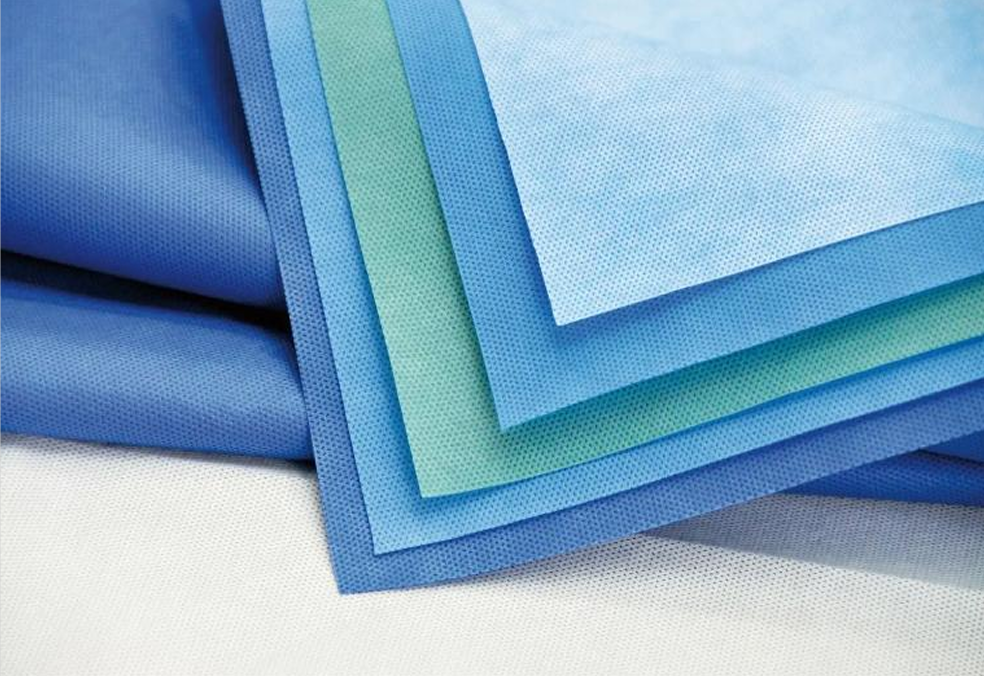
· Fiber Screening:In nonwoven fabric production, stainless - steel wire meshes are used to screen fibers. They can remove coarse and hard fibers, impurities, etc. from the fibers, improving the quality of the fibers. For example, when producing high - quality nonwoven fabrics for hygiene use, screening fibers through stainless - steel wire meshes can ensure the softness and safety of the products.
· Heating Equipment:During the drying process of textiles and nonwoven fabrics, stainless - steel wire meshes can be used to make the inner lining or conveying parts of heating equipment. Their good thermal conductivity helps to evenly transfer heat, allowing the fabric or nonwoven fabric to be heated evenly and improving the drying effect. For example, in a hot - air drying device, the stainless - steel wire mesh conveyor belt can effectively transfer heat to the fabric, accelerating the drying process.
· Ventilation System:Stainless - steel wire meshes can also be used in the ventilation system of textile mills. Installed at the air vents, they can filter dust and impurities in the air, ensuring the cleanliness of the air in the workshop and providing a good environment for textile production. At the same time, the corrosion resistance of stainless - steel wire meshes enables them to be used for a long time in a humid environment.
· Fabric Inspection:In the fabric quality inspection process, stainless - steel wire meshes can be used to make inspection tools. For example, by using a stainless - steel wire mesh of a specific mesh number to conduct a light - transmission test on the fabric, the density and uniformity of the fabric can be judged. This inspection method is simple and effective, capable of quickly detecting fabric quality problems.
Nonwoven Fabric Inspection:For nonwoven fabrics, stainless - steel wire meshes can be used to detect their pore size distribution and fiber uniformity. By covering the nonwoven fabric on the stainless - steel wire mesh and observing the light - transmission situation or using a microscope for inspection, the quality of the nonwoven fabric can be evaluated to ensure that the product meets production standards.
Download Brochure